A Beginner’s Guide to the 7 Chakras and Their Crystals
The word chakra shows up everywhere now, from yoga studios and meditation apps to jewelry, candles, crystals, and conversations about personal energy. For someone who is new to the subject, that can make the seven chakras feel more complicated than they really need to be.
At its simplest, the chakra system is a spiritual framework that describes seven major energy centers running from the base of the spine to the top of the head. Different traditions explain chakras in different ways, but modern chakra practice commonly connects each center with a color, a set of emotional or spiritual themes, and certain stones used for meditation or intention setting.
It is important to keep the language grounded. Chakras are part of spiritual and philosophical traditions, not a substitute for medical care or a scientifically established system for diagnosing health conditions. Many people work with the chakra system because it gives them a meaningful way to reflect on areas such as stability, creativity, confidence, love, communication, intuition, and spiritual connection.
At Crystal & Chakra, formerly Crystal & Luck , the seven chakras are more than a colorful display. They offer a simple way to think about intention. Someone who feels scattered may be drawn to Root Chakra themes. Someone working on confidence may connect with the Solar Plexus Chakra. Someone who wants to communicate more clearly may find the Throat Chakra especially meaningful.
This beginner’s guide walks through all seven chakras, the themes traditionally connected with each one, and crystals commonly chosen to support a chakra-focused spiritual practice.
Understanding the 7 Chakras
The seven-chakra system is usually pictured vertically. The Root Chakra begins at the base, followed by the Sacral, Solar Plexus, Heart, Throat, Third Eye, and Crown Chakras. The progression is often understood as moving from physical security and everyday needs toward expression, insight, and spiritual awareness.
That does not mean a person has to “master” one chakra before thinking about another. Life rarely works that neatly. Someone can feel confident at work while struggling to speak honestly in a relationship. Another person may have a strong sense of intuition but still feel unsettled about money or home. The chakra system can be used less like a checklist and more like a map for reflection.
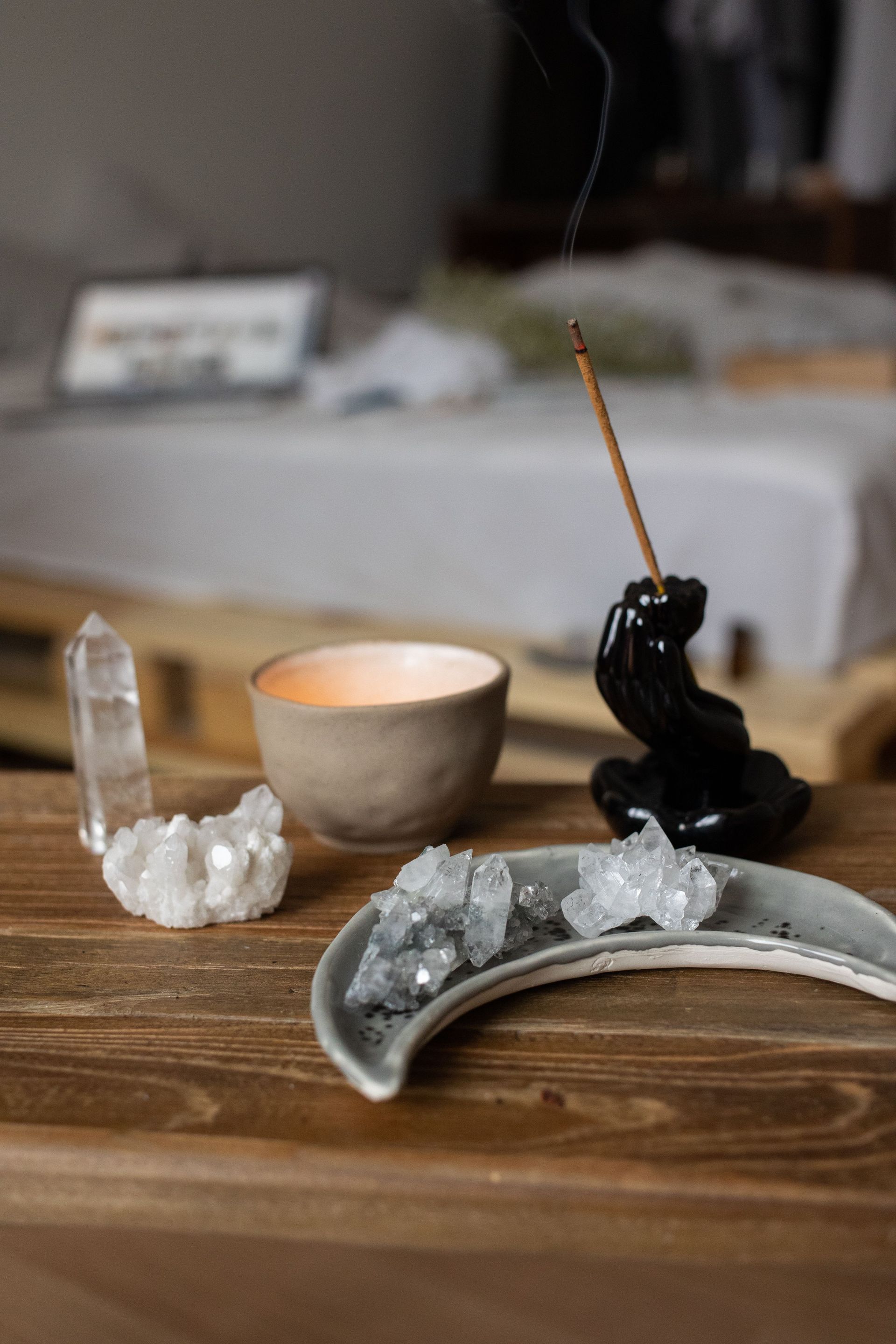
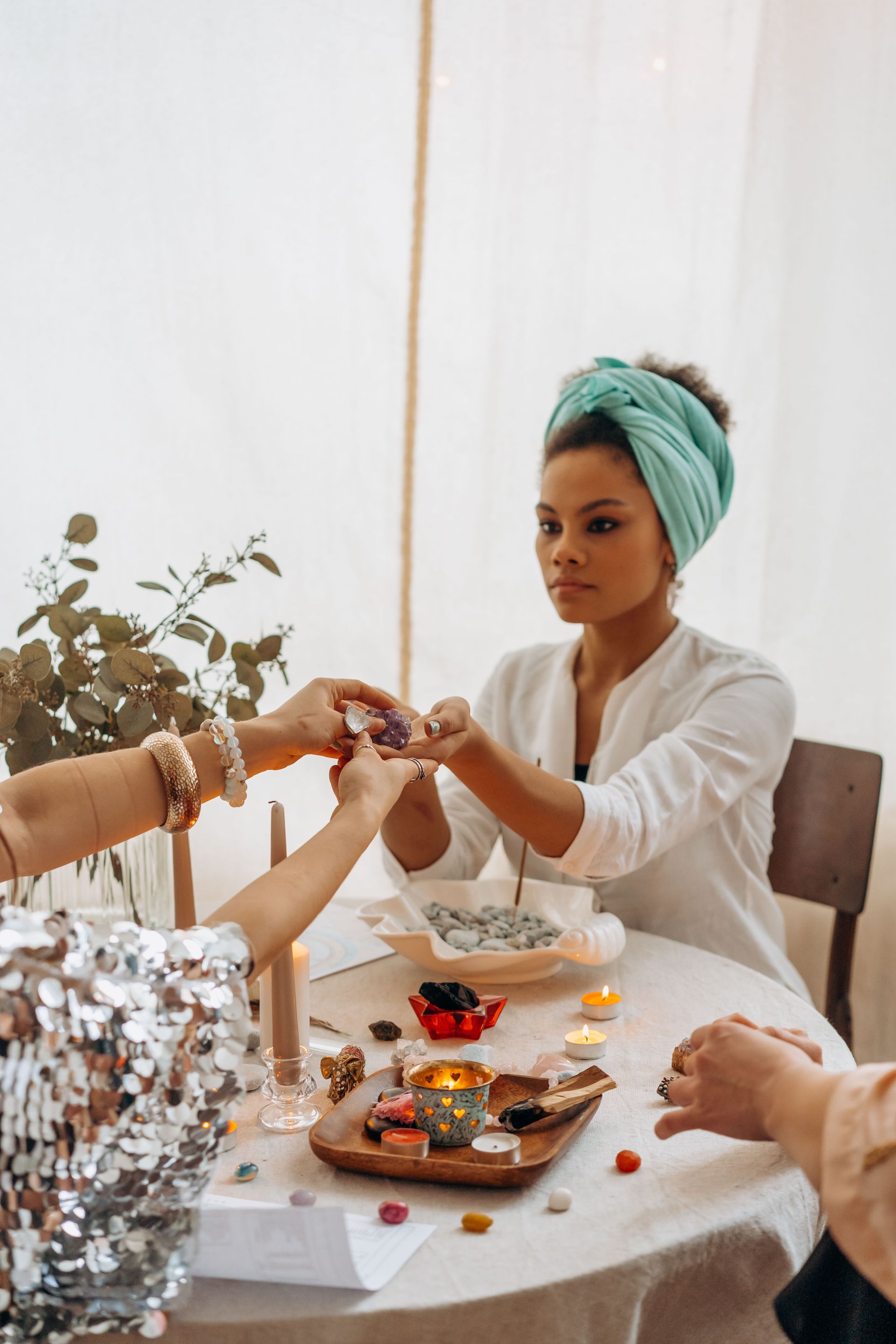
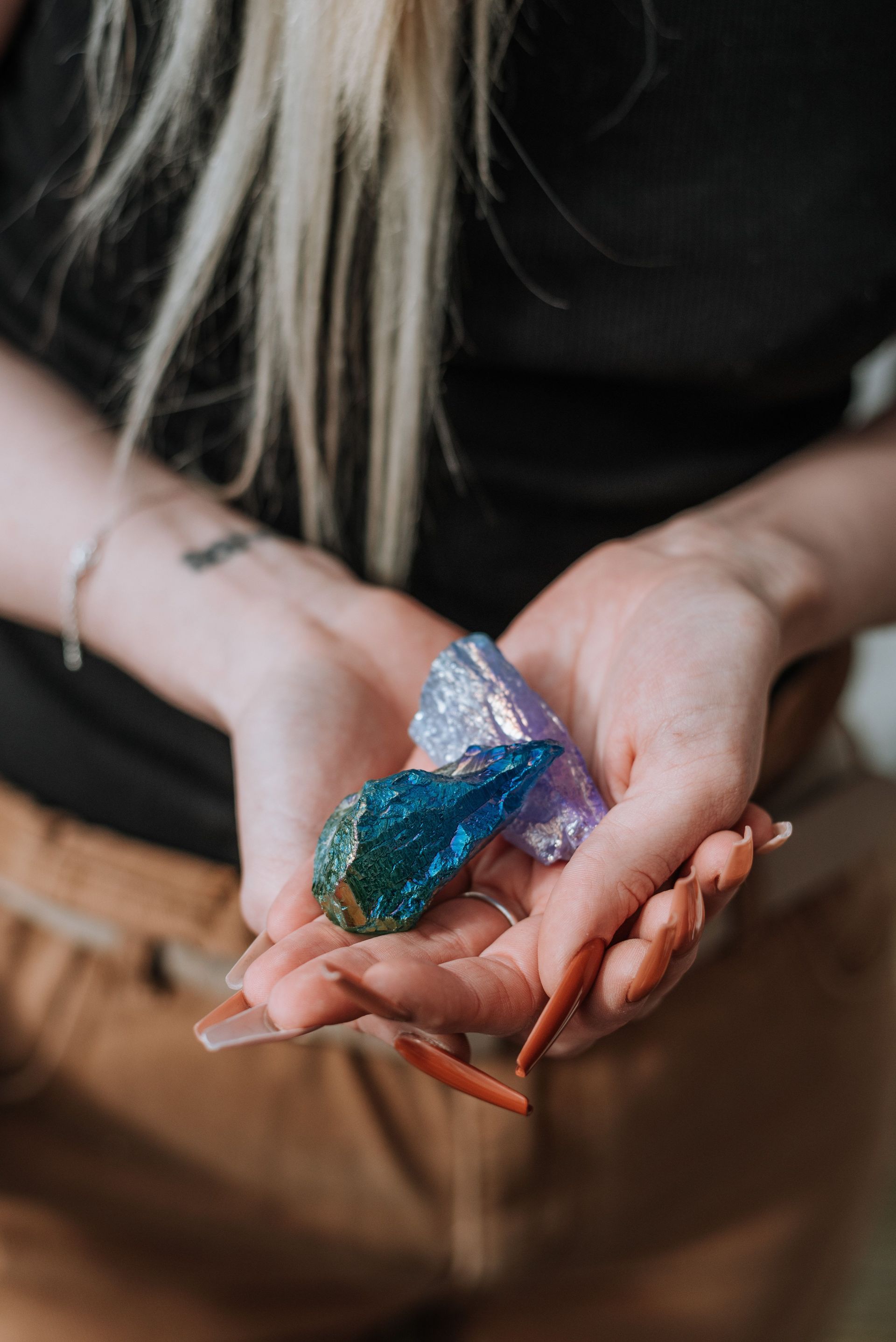
Crystals enter the practice because their colors, traditional meanings, and physical presence can help give an intention a tangible form. A stone held during meditation, worn as jewelry, placed beside a journal, or kept in a meaningful space can become a cue to return to the quality a person wants to strengthen.
1. Root Chakra: Stability, Security, and Grounding
The Root Chakra is traditionally located at the base of the spine and associated with the color red. Its themes include safety, stability, belonging, physical presence, home, finances, routine, and the basic feeling of being supported by everyday life.
When someone chooses to focus on Root Chakra themes, the goal may be very practical. They may want a steadier routine, better boundaries, a calmer home environment, or more confidence in handling responsibilities. Grounding practices such as walking outdoors, slowing down the breath, organizing a physical space, or creating a realistic plan can all fit naturally here.
Crystals commonly connected with Root Chakra work include red jasper, black tourmaline, smoky quartz, hematite, and garnet . Red jasper is often chosen as a symbol of strength and endurance. Black tourmaline and smoky quartz are frequently associated with grounding and protection. Hematite has a solid, metallic weight that many people find physically grounding, while garnet is traditionally connected with vitality and commitment.
Someone working with a Root Chakra crystal might keep it near the front door, place it on a desk during financial planning, or hold it during a few quiet minutes at the beginning of the day. The point is not that the crystal solves instability. The value is in connecting the stone with intentional action.
2. Sacral Chakra: Creativity, Emotion, and Flow
The Sacral Chakra is usually placed below the navel and associated with the color orange. Its themes include creativity, pleasure, emotional expression, relationships, adaptability, and the ability to enjoy life without losing a sense of balance.
People often explore Sacral Chakra themes when they feel creatively blocked, disconnected from enjoyment, or stuck in patterns that have become too rigid. A Sacral-focused practice might include making art with no pressure to be good at it, trying a new recipe, dancing, journaling honestly, spending time near water, or simply allowing more room for play and curiosity.
Crystals traditionally connected with the Sacral Chakra include carnelian, orange calcite, sunstone, and moonstone . Carnelian is especially popular for creativity, motivation, and confidence in self-expression. Orange calcite is often associated with optimism and movement. Sunstone may symbolize enthusiasm and independence, while moonstone is commonly used in practices centered on intuition, cycles, and emotional reflection.
The Sacral Chakra is a useful reminder that spiritual practice does not always have to be serious. Creativity, laughter, movement, beauty, and enjoyment can all be meaningful forms of attention.
3. Solar Plexus Chakra: Confidence, Will, and Personal Power
The Solar Plexus Chakra is traditionally associated with the area above the navel and the color yellow. Its themes include self-confidence, motivation, personal identity, decision-making, discipline, and the ability to act with intention.
This is often the chakra people think about when they want to stop second-guessing themselves. Solar Plexus work can be useful during career transitions, boundary setting, public speaking, goal planning, or any season when a person wants to take more ownership of their choices.
Common Solar Plexus crystals include citrine, tiger’s eye, yellow jasper, and pyrite . Citrine is often associated with optimism, confidence, and abundance. Tiger’s eye is traditionally linked to courage, focus, and balanced decision-making. Yellow jasper can symbolize steadiness and persistence, while pyrite is commonly connected with confidence, ambition, and prosperity.
A simple practice is to choose one decision that has been delayed and write down the facts, the fears, and the next reasonable step. Place a chosen crystal nearby while doing it. This keeps the ritual grounded in reflection rather than expecting the stone to make the decision.
4. Heart Chakra: Love, Compassion, and Connection
The Heart Chakra sits at the center of the seven-chakra system and is usually associated with green, although pink is also widely used in modern practice. Its themes include love, compassion, forgiveness, empathy, connection, grief, and the ability to give and receive care.
Heart Chakra work is not limited to romantic relationships. It can include friendship, family, self-respect, community, grief, forgiveness, and healthy boundaries. Sometimes the most loving action is opening up. Other times it is saying no clearly and without guilt.
Crystals commonly connected with the Heart Chakra include rose quartz, green aventurine, rhodonite, malachite, and emerald . Rose quartz is perhaps the best-known stone for love and compassion. Green aventurine is frequently associated with optimism and growth. Rhodonite is often chosen for emotional reflection and forgiveness, while malachite is traditionally connected with transformation and change.
Heart-centered crystal jewelry is especially popular because the intention can be carried throughout the day. A rose quartz necklace or green aventurine bracelet can serve as a small reminder to return to patience, kindness, or a healthier boundary.
5. Throat Chakra: Communication, Truth, and Expression
The Throat Chakra is associated with the throat area and the color blue. Its themes include communication, honesty, listening, self-expression, and the ability to speak with clarity.
This chakra is often explored when someone feels unheard, has difficulty saying what they mean, avoids important conversations, or wants to become a better listener. Throat Chakra work is not about talking more. Sometimes it is about saying less but saying it clearly.
Crystals commonly linked with the Throat Chakra include blue lace agate, sodalite, aquamarine, lapis lazuli, and turquoise . Blue lace agate is often chosen for calm communication. Sodalite is traditionally connected with truth and clear thinking. Aquamarine is commonly associated with calm expression, while lapis lazuli has long been linked symbolically with wisdom and truth.
A useful Throat Chakra practice is to journal before a difficult conversation. Write the main point in one sentence, identify what needs to be said respectfully, and decide what does not need to be said at all. A blue crystal placed beside the page can become part of that intentional pause.
6. Third Eye Chakra: Intuition, Insight, and Perspective
The Third Eye Chakra is traditionally associated with the area between the eyebrows and often represented by indigo or deep blue. Its themes include intuition, imagination, perception, insight, and the ability to see a situation from a broader perspective.
Intuition can be misunderstood as always having an immediate answer. In a grounded spiritual practice, intuition can also mean noticing patterns, paying attention to internal reactions, allowing quiet time for reflection, and becoming more aware of what feels aligned or misaligned.
Common Third Eye crystals include amethyst, lapis lazuli, sodalite, labradorite, and fluorite . Amethyst is widely associated with meditation and spiritual awareness. Labradorite is often chosen for intuition and transformation. Fluorite is commonly connected with clarity and organization of thought.
Meditation and journaling fit naturally here. Before reaching for an outside opinion, someone might spend five quiet minutes with a chosen stone and ask, “What do I already know about this situation?” The answer does not have to be mystical. Sometimes perspective becomes clearer simply because the noise has been reduced.
7. Crown Chakra: Awareness and Spiritual Connection
The Crown Chakra is traditionally placed at the top of the head and commonly associated with violet, white, or clear light. Its themes include consciousness, spiritual connection, meaning, perspective, and a sense of connection to something larger than the individual self.
Crown Chakra practices vary widely depending on a person’s spiritual beliefs. They may include prayer, meditation, silence, gratitude, contemplation, reading spiritual texts, or time in nature. There is no single correct way to explore this chakra.
Crystals often associated with the Crown Chakra include clear quartz, amethyst, selenite, and howlite . Clear quartz is one of the most versatile stones in crystal practice and is frequently used as a symbol of clarity and intention. Selenite is commonly linked with purification and spiritual awareness, while amethyst is often used during meditation.
For beginners, Crown Chakra work can be very simple. Sit quietly for a few minutes, hold a crystal if desired, and focus on gratitude or a question of meaning rather than trying to force a particular experience.
How to Choose Crystals for Chakra Work
A common beginner question is whether a crystal has to match the traditional color of a chakra. The short answer is no. Color correspondence is a helpful system, but it is not a rigid rule.
Someone may choose a crystal because of its traditional meaning, appearance, texture, personal association, or simply because they feel drawn to it. A green stone may make sense for Heart Chakra work, but a person may connect more strongly with rose quartz. Clear quartz can be used across many intentions even though it is frequently connected with the Crown Chakra.
The best starting point is to identify the theme first. Is the intention grounding? Creativity? Confidence? Love? Communication? Insight? Spiritual connection? Once the focus is clear, choosing a stone becomes much easier.
Visitors to the Crystal & Chakra Boutique can compare crystals and jewelry in person, which is especially helpful for beginners who have only seen stones online. Texture, weight, color variations, size, and shape can all affect what feels comfortable and meaningful.
Simple Ways to Use Chakra Crystals
Chakra practice does not need to become complicated. A crystal can be placed on a desk, kept beside a bed, carried in a pocket, worn as jewelry, placed near a meditation space, or held during journaling.
For meditation, choose one chakra theme and one stone. Sit comfortably, hold the crystal, and take several slow breaths. Rather than trying to visualize something elaborate, focus on a simple question connected to the chakra. For Root Chakra work, that might be, “What would make life feel more stable this week?” For Throat Chakra work, it could be, “What needs to be said clearly?”
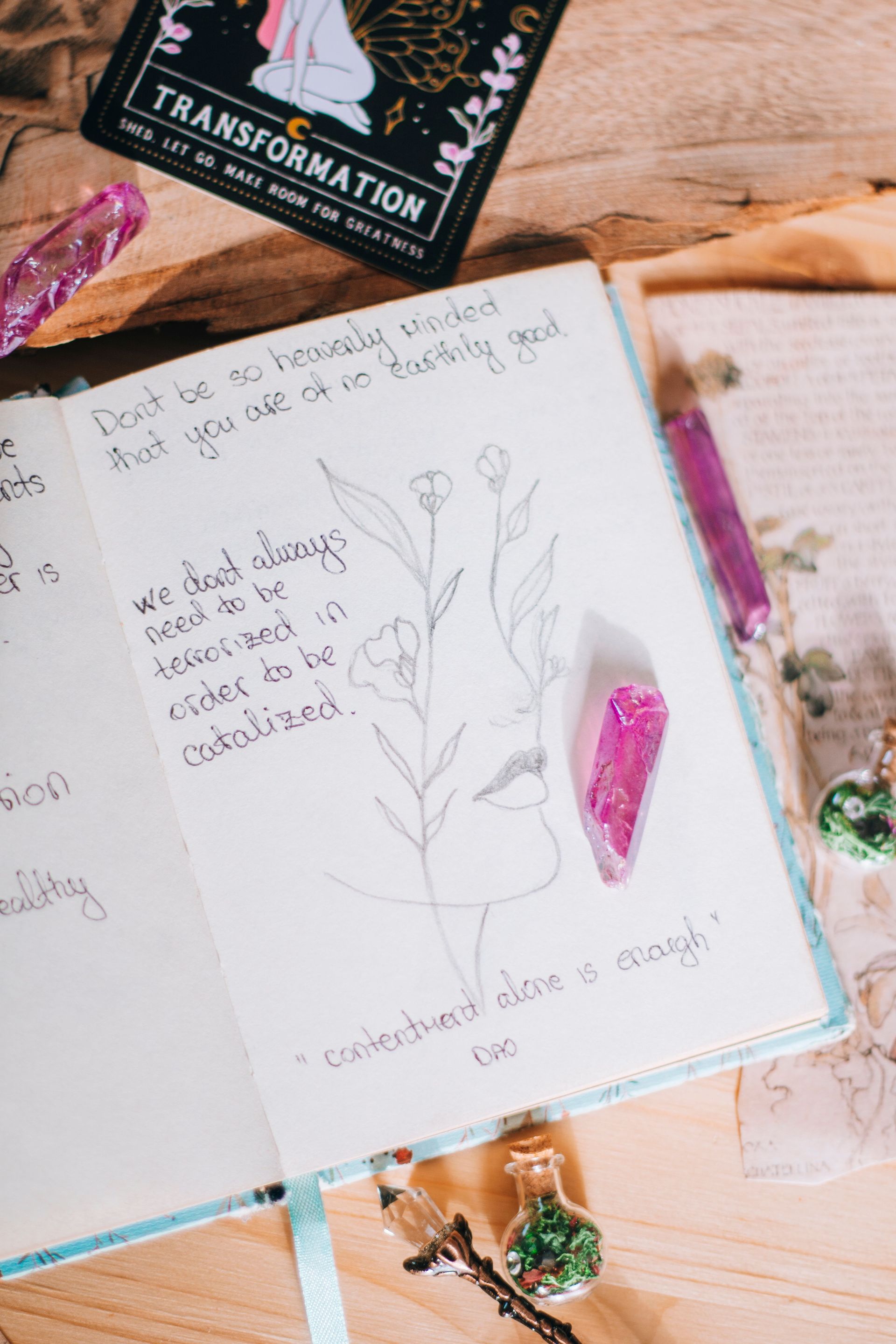
Journaling is another useful option. Place the crystal beside the page and write freely for five or ten minutes. The stone provides a visual anchor for the intention while the writing creates space for reflection.
Crystal jewelry can make the practice even easier to integrate into everyday life. The product collections at Crystal & Chakra include pieces organized around intentions such as confidence, protection, balance, success, stability, and insight. Products are currently available in-store, allowing visitors to see and compare pieces before choosing.
Can More Than One Chakra Need Attention?
Absolutely. Human experience does not fit neatly into seven separate boxes. Someone preparing for a difficult conversation may connect with both Solar Plexus confidence and Throat Chakra communication. A person rebuilding after a major life change may relate to Root Chakra stability, Heart Chakra compassion, and Third Eye perspective at the same time.
There is no need to use seven crystals at once just because there are seven chakras. Beginners often find it easier to choose one or two themes that feel most relevant. Working with fewer intentions can make the practice more focused and easier to sustain.
Over time, those priorities may change. The chakra system can remain a flexible framework rather than a fixed program that has to be completed in order.
Frequently Asked Questions About Chakra Crystals
What are the 7 chakras in order?
From the base of the body upward, the seven major chakras are Root, Sacral, Solar Plexus, Heart, Throat, Third Eye, and Crown.
What crystal is best for each chakra?
There is no single required stone for each chakra. Popular choices include red jasper for Root, carnelian for Sacral, citrine for Solar Plexus, rose quartz or green aventurine for Heart, blue lace agate for Throat, amethyst or labradorite for Third Eye, and clear quartz or selenite for Crown.
Can beginners use chakra crystals?
Yes. Beginners can start very simply by choosing one chakra theme, selecting a crystal traditionally connected with that intention, and using it during meditation, journaling, or another personal reflection practice.
Do chakra crystals have to match chakra colors?
No. Color correspondences can be helpful, but they are not strict rules. Personal meaning, traditional crystal associations, and individual preference can all influence the choice.
Where can I buy chakra crystals in Houston?
Crystal & Chakra, formerly Crystal & Luck, offers crystals, chakra-inspired jewelry, incense, and spiritual products at its Houston boutique at 3013 Fountain View Drive, Suite AA. Products are currently available in-store.
Start with the Chakra That Speaks to Your Life Right Now
The seven chakras provide a useful vocabulary for experiences that are already part of everyday life: the need to feel stable, the desire to create, the confidence to act, the ability to love, the courage to communicate, the wisdom to reflect, and the search for meaning.
There is no need to understand every detail before beginning. Choose the chakra theme that feels most relevant today. Learn a little about it. Select a crystal that makes sense for the intention. Then connect the symbolism to something practical in daily life.
Crystal & Luck has served Houston crystal shoppers under its established name, while the evolving Crystal & Chakra identity makes the seven-chakra philosophy an even more natural part of the experience. To explore chakra crystals, jewelry, and spiritual tools in person, visit the Houston boutique or call (832) 266-8595 with questions before visiting.
Recent Posts